Deprecated: Creation of dynamic property GuzzleHttp\Ring\Client\CurlMultiHandler::$_mh is deprecated in /home/whocorephp/public_html/j40/administrator/components/com_geekelasticsearch/libraries/vendor/ezimuel/ringphp/src/Client/CurlMultiHandler.php on line 47
Deprecated: Automatic conversion of false to array is deprecated in /home/whocorephp/public_html/j40/libraries/src/HTML/HTMLHelper.php on line 795
Deprecated: Creation of dynamic property PlgContentBesps::$_params is deprecated in /home/whocorephp/public_html/j40/plugins/content/besps/besps.php on line 25
World Malaria Day 2021: Draw The Line Against Malaria
Warning: Undefined property: stdClass::$introtext in /home/whocorephp/public_html/j40/plugins/content/besps/besps.php on line 35
Deprecated: preg_match(): Passing null to parameter #2 ($subject) of type string is deprecated in /home/whocorephp/public_html/j40/plugins/content/besps/besps.php on line 35
On World Malaria Day (25 April 2021) WHO is calling for increased political commitment and investment in malaria prevention and control to reach the “Zero Malaria” target by urging:
Individuals in endemic countries to draw the line against malaria by getting tested for both malaria and COVID-19 in the case of fever and to seek treatment.
Policy-makers in endemic countries to draw the line against malaria by increasing coverage of malaria prevention and treatment interventions as part of efforts to achieve universal health coverage.
Regional donors to draw the line against malaria by scaling up efforts to fight malaria and other vector-borne diseases and addressing the funding gap of 45% in malaria-endemic countries in the Region.
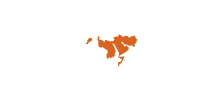
Malaria in the Eastern Mediterranean Region
Malaria is an acute febrile illness. In a non-immune individual, symptoms usually appear 10–15 days after the infective mosquito bite. The first symptoms – fever, headache, and chills – may be mild and difficult to recognize as malaria. If not treated within 24 hours, P. falciparum malaria can progress to severe illness, often leading to death.
Of the 8 malaria-endemic countries in the Eastern Mediterranean Region, 6 carry a high burden, namely Afghanistan, Djibouti, Pakistan, Somalia, Sudan and Yemen. Sudan accounts for the highest percentage of cases at about 46%, followed by Yemen at 17%. In these countries, lockdowns and reduced access to health care in the context of the COVID-19 pandemic have led to a reduction in health-seeking behaviour when people are experiencing fever.
Two countries (Saudi Arabia and Islamic Republic of Iran) are at the elimination stage. The Islamic Republic of Iran reported zero indigenous cases between 2018 and 2020 and is eligible for certification of malaria-free status. In Saudi Arabia, the number of reported indigenous cases declined from 272 in 2016 to 38 in 2019. The remaining 14 countries in the Region are free of indigenous malaria and are working hard to prevent re-establishment.
The Region faces a funding gap of 45% in spite of efforts by the Global Fund and other donors to scale up activities for malaria prevention and control.
On World Malaria Day (25 April 2021) WHO is calling for increased political commitment and investment in malaria prevention and control to reach the “Zero Malaria” target by urging:
Individuals in endemic countries to draw the line against malaria by getting tested for both malaria and COVID-19 in the case of fever and to seek treatment.
Policy-makers in endemic countries to draw the line against malaria by increasing coverage of malaria prevention and treatment interventions as part of efforts to achieve universal health coverage.
Regional donors to draw the line against malaria by scaling up efforts to fight malaria and other vector-borne diseases and addressing the funding gap of 45% in malaria-endemic countries in the Region.
Malaria in the Eastern Mediterranean Region
Malaria is an acute febrile illness. In a non-immune individual, symptoms usually appear 10–15 days after the infective mosquito bite. The first symptoms – fever, headache, and chills – may be mild and difficult to recognize as malaria. If not treated within 24 hours, P. falciparum malaria can progress to severe illness, often leading to death.
Of the 8 malaria-endemic countries in the Eastern Mediterranean Region, 6 carry a high burden, namely Afghanistan, Djibouti, Pakistan, Somalia, Sudan and Yemen. Sudan accounts for the highest percentage of cases at about 46%, followed by Yemen at 17%. In these countries, lockdowns and reduced access to health care in the context of the COVID-19 pandemic have led to a reduction in health-seeking behaviour when people are experiencing fever.
Two countries (Saudi Arabia and Islamic Republic of Iran) are at the elimination stage. The Islamic Republic of Iran reported zero indigenous cases between 2018 and 2020 and is eligible for certification of malaria-free status. In Saudi Arabia, the number of reported indigenous cases declined from 272 in 2016 to 38 in 2019. The remaining 14 countries in the Region are free of indigenous malaria and are working hard to prevent re-establishment.
The Region faces a funding gap of 45% in spite of efforts by the Global Fund and other donors to scale up activities for malaria prevention and control.
Warning: Undefined property: stdClass::$introtext in /home/whocorephp/public_html/j40/plugins/content/besps/besps.php on line 35
Deprecated: preg_match(): Passing null to parameter #2 ($subject) of type string is deprecated in /home/whocorephp/public_html/j40/plugins/content/besps/besps.php on line 35