

Sélectionnez votre langue

The brave women of Pakistan fighting polio
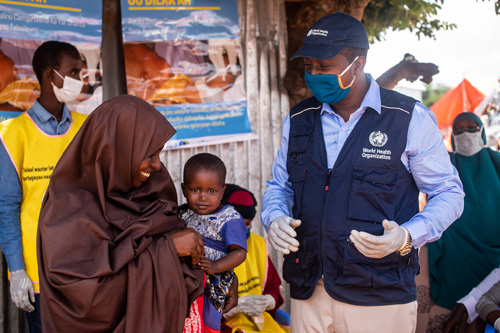
22 June 2021 – Female polio frontline workers are playing a key role to eradicate polio in Pakistan. Given their trusted roles and responsibilities, they contribute a lot towards vaccinating millions of children across the country.
Pakistan remains one of 2 countries where polio is endemic. With each polio campaign, it is essential that the entire country supports the successful implementation of campaigns which depend on the dedication of staff to reach all children.
Health interventions and immunization activities in the country are most effective when delivered by women. During each nationwide polio campaign, over 280 000 frontline workers are engaged across Pakistan, of whom 62% are women.
Polio vaccination against the odds in Yemen: dispatches from the frontline of polio eradication
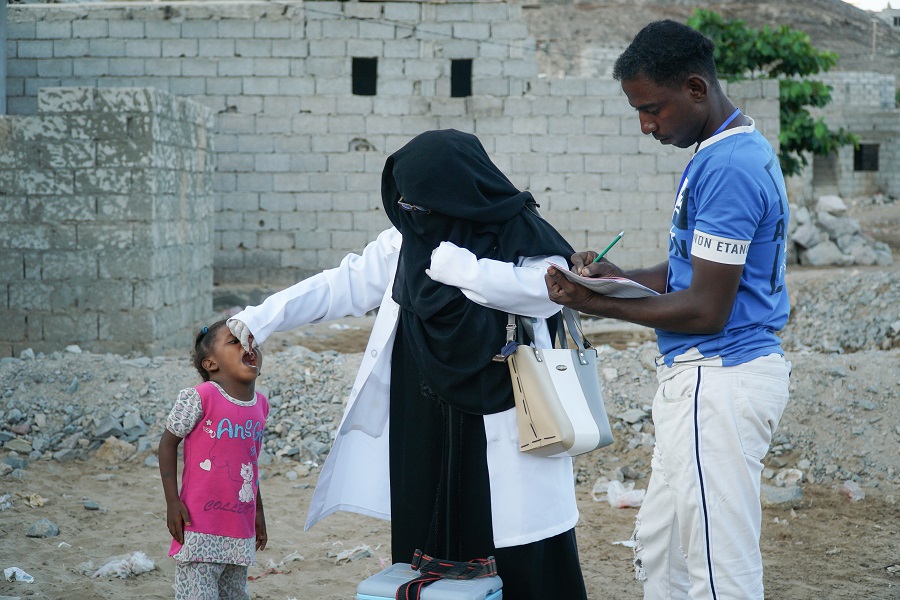 Muneera Abdo is one of thousands of vaccinators across Yemen working tirelessly to reach every last child with polio vaccine
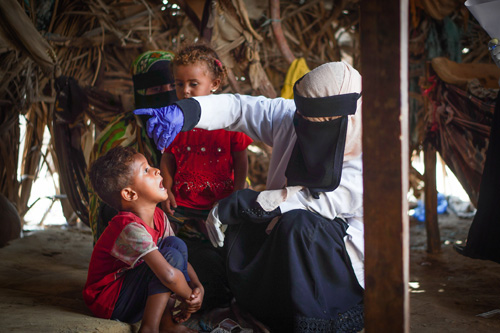
22 June 2021 – In Al-Buraika district, a poor neighbourhood in the port city of Aden in Yemen’s south, Muneera Abdo slowly makes her way through the sandy streets. With a scuffed plastic cool box hanging from a strap on her shoulder, Muneera knocks on the doors of houses often made of little more than discarded strips of tin.
Muneera is a polio vaccinator working in some of the most challenging territory on earth. She travels door to door, vaccinating children under 5 and raising awareness about the importance of vaccination among parents, many of whom are hesitant about vaccines or refuse outright to vaccinate their children.
“My happiest moment is when I serve my community and contribute to saving the lives of children,” said Muneera.
Muneera is one of thousands of vaccinators across Yemen. Their job is simple, yet overwhelmingly tough: reach every last child with polio vaccine, as many times as it takes to stamp out the virus. Vaccinators travel vast distances across deserts and over hills and mountains to reach communities living far from population centres.
Muneera’s job has never been so important. After more than 15 years without a case of polio, an outbreak of vaccine-derived poliovirus was confirmed in Yemen in 2020. Since then, millions of children have received oral polio vaccine on multiple mass immunization days, to boost immunity and stop the outbreak.
Tayseer Ahmed went door-to-door in Thula district, in the steep, long mountains of Amran governorate in the country’s north during the November 2020 and May 2021 campaigns.
“It’s a daunting job,” said Tayseer, “but tiredness fades away whenever I see parents bringing their children to be vaccinated without any hesitancy.”
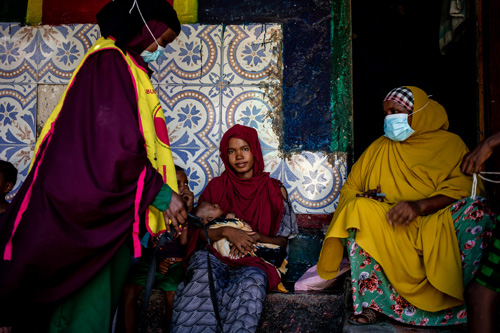
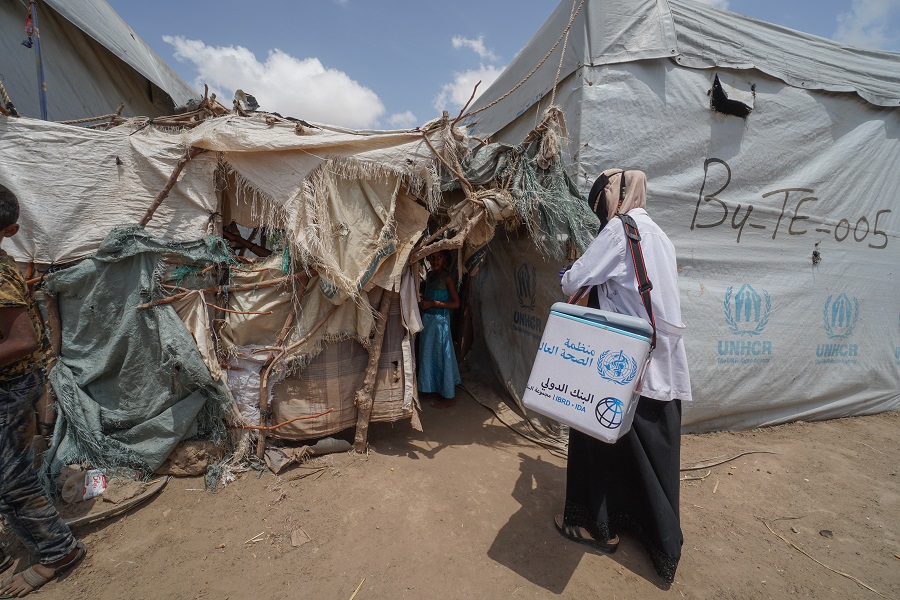 Sometimes, vaccinators in Yemen reach the end of a long and difficult road, only to continue on foot for hours more
Conflict delays polio campaigns
Without vaccinators like Muneera and Tayseer, Yemen’s damaged health system and the poor sanitation in many villages could see the poliovirus easily spread from child to child across the country. The conflict and instability that have plunged parts of the country into a prolonged humanitarian crisis have lowered vaccination rates and delayed campaigns, leaving more children vulnerable to the virus.
As of 20 June 2021, a total of 34 children have been paralysed in the outbreak. This grim toll highlights both Yemen’s immunity gap and the challenges of delivering health care in a conflict. Immunization rates in Sa’adah governorate – the epicentre of the outbreak – have declined in the past 16 years since the last house-to-house campaign was conducted in 2004.
Responding to the urgent need to deliver vaccination services to all children in this governorate, WHO and UNICEF, in cooperation with the Ministry of Public Health and Population, have conducted health outreach activities there, targeting around 200 000 children under 5 with polio and other vaccines, and offering other health and nutritional support. Additional rounds of outreach will continue over the course of 2021.
The uptake of services has been informative: the main draw for families was the bundle of health services under the heading “Integrated Management of Childhood Illnesses” (IMCI), which supports children under 5 with health care, including vaccinations. In the first round of outreach, trained health workers provided IMCI treatment to 44 624 children under 5. Of these children, 4967 were under 2 months of age and were vaccinated for the first time.
But in order for these efforts to close Yemen’s immunity gap, they need to be sustained – no easy feat.
“Despite all security and humanitarian challenges, we’ve succeeded in conducting several rounds of vaccination campaigns across the country, reaching millions of children with polio vaccine. However, there's still so much work to be done to contain the current outbreak from spreading further,” said Dr Adham Abdel-Moneim, WHO Representative in Yemen.
As vaccinators like Muneera and Tayseer know, that work can only be done step by step, door to door, child by child. It is an immensely tough job – logistically challenging, but also physically and emotionally gruelling. For this reason, the people at the ground level of polio eradication often view their work not as a job, but as a calling.
“For me, protecting children against diseases is more humanitarian work than a paid job,” said Muneera.
Somalia: formal closure of the cVDPV3 outbreak
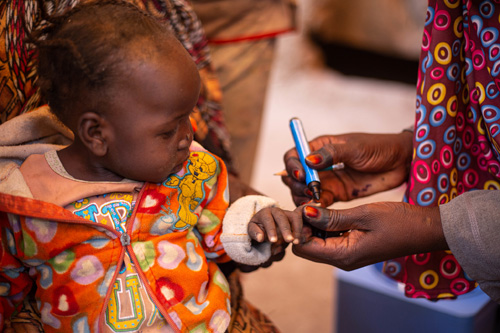
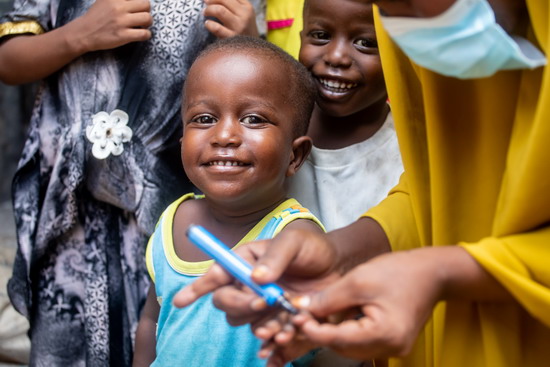 A smiling child's left pinky is marked after he received bivalent oral polio vaccine in Banadir, Somalia, during the outbreak response vaccination campaign. The closure of the cVDPV3 outbreak is a win for public health in Somalia.
29 March 2021 – Somalia’s outbreak of circulating vaccine-derived poliovirus type 3 (cVDPV3) has been successfully stopped, with no international spread. Dr Hamid Jafari, Director of Polio Eradication for WHO’s Eastern Mediterranean Region, declared the outbreak closed a full 28 months after this strain of polio was last detected in Somalia.
Seven children were paralysed by the type 3 strain in the 2018 outbreak, and sewage samples regularly monitored for poliovirus tested positive for cVDPV3 a dozen times, beginning March 2018. There is no doubt that the virus circulated widely around southern and central Somalia. Despite extensive disease surveillance measures, no cVDPV3 has been identified since 7 September 2018, when the last child developed paralysis.
Closing a polio outbreak is a formal process steered by a detailed checklist of surveillance indicators that must be met in order to show that the virus is not just hiding in a far-flung pocket but has truly disappeared. Sewage runoff is tested for virus, and health workers and community members actively search for paralysis in children, and then investigate any paralysis they do find to rule out polio. Accessing hard-to-reach communities is a challenge in Somalia, but a vital aspect of this work.
Looking back on 2020: eradicating polio in a pandemic
There is little doubt that the year 2020 will go down in history as one of transformation. No life was left untouched by the COVID-19 pandemic, which disrupted everything from international travel and trade to health systems. But it has not deterred the effort to eradicate polio.
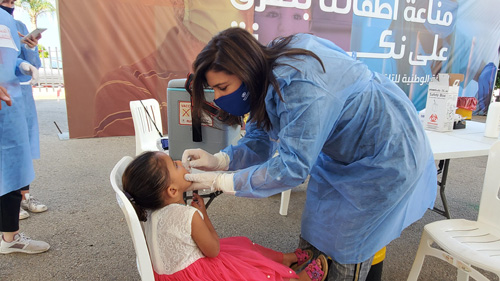
The Eastern Mediterranean regional polio programme reflects on 2020 as a year of immense challenge and innovation. Over the last 12 months, teams have pivoted to provide vital support to countries responding to COVID-19 while maintaining poliovirus surveillance and have worked diligently to resume polio vaccination campaigns and respond to new outbreak emergences.
Whilst the difficulties are far from over, 2020 has shown the resilience of the polio eradication workforce all over the Region, and the determination of parents and stakeholders to achieve a polio-free future.
Since campaigns resumed in July, almost 66 million children in the Eastern Mediterranean Region have received at least one dose of polio vaccine through supplementary immunization activities.