WHO EMRO
  • Regions
WHO EMRO
WHO Regional websites
Africa Africa
Americas Americas
Asie du Sud-Est Asie du Sud-Est
Europe Europe
Méditerranée orientale Méditerranée orientale
Pacifique occidental Pacifique occidental
  • Home
  • Health topics
  • Health topics
  • Data and statistics
  • Media centre
  • Information resources
  • Countries
  • Programmes
  • About Us
Search Search

Search

- All words: Returns only documents that match all words.
- Any word: Returns documents that match any word.
- Exact Phrase: Returns only documents that match the exact phrase entered.
- Phrase Prefix: Works like the Exact Phrase mode, except that it allows for prefix matches on the last term in the text.
- Wildcard: Returns documents that match a wildcard expression.
- Fuzzy query: Returns documents that contain terms similar to the search term. For example: If you search for Kolumbia. It will return search results that contain Columbia or Colombia.
  • Global
  • Regions
    WHO Regional websites
    Africa Africa
    Americas Americas
    Asie du Sud-Est Asie du Sud-Est
    Europe Europe
    Méditerranée orientale Méditerranée orientale
    Pacifique occidental Pacifique occidental
Search Search

Search

- All words: Returns only documents that match all words.
- Any word: Returns documents that match any word.
- Exact Phrase: Returns only documents that match the exact phrase entered.
- Phrase Prefix: Works like the Exact Phrase mode, except that it allows for prefix matches on the last term in the text.
- Wildcard: Returns documents that match a wildcard expression.
- Fuzzy query: Returns documents that contain terms similar to the search term. For example: If you search for Kolumbia. It will return search results that contain Columbia or Colombia.

Select your language
  • اللغة العربية
  • Français
WHO EMRO WHO EMRO
  • Home
  • Health topics
    • All Topics »
    • A
    • B
    • C
    • D
    • E
    • F
    • G
    • H
    • I
    • J
    • K
    • L
    • M
    • N
    • O
    • P
    • Q
    • R
    • S
    • T
    • U
    • V
    • W
    • X
    • Y
    • Z
  • Health topics
  • Data and statistics
  • Media centre
  • Information resources
  • Countries
  • Programmes
  • About Us
  1. Home
  2. Health topics
  3. EDPLN

Related links

Laboratory technical documents

Pandemic- and epidemic-prone diseases

International Health Regulations

Health emergencies

Interactive applications and databases

Information resources

EDPLN Brochure

Technical guidance

How to safely collect pus samples from buboes of patients suspected to be infected with bubonic plague

How to safely collect sputum samples from patients suspected to be infected with pneumonic plague

How to safely collect oral swabs (saliva) from deceased patients suspected to be infected with Ebola

How to safely ship human blood samples from suspected Viral hemorrhagic Fever cases within a country by road, rail and sea

Emerging and dangerous pathogens laboratory network
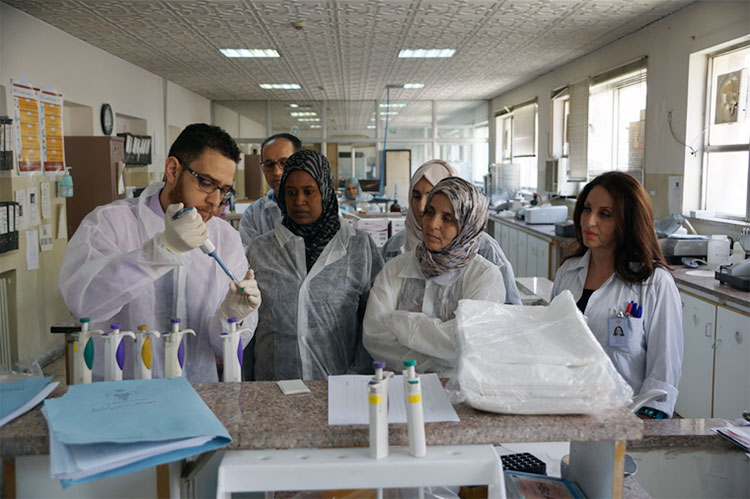
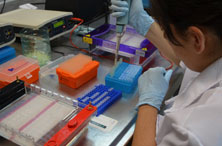
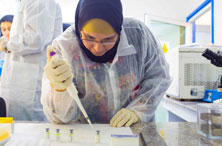
Regional laboratory experts in Amman, Jordan learn how to diagnose Zika virus (Photo: WHO, 2017)Regional laboratory experts in Amman, Jordan learn how to diagnose Zika virus (Photo: WHO, 2017)

The Regional Emerging and Dangerous Pathogens Laboratory Network (EDPLN) was established in August 2017, to enhance capacities of laboratories in the Region to detect and diagnose outbreaks of emerging and dangerous pathogens (EDPs). The list of dangerous and high threat pathogens that the EDPLN covers include new and emerging ones, as well as existing pathogens causing repeated outbreaks in the Region such as avian influenza, cholera, dengue, and yellow fever.

The network includes both private and public, human and animal diagnostic health laboratories. To provide advanced diagnostic services, these laboratories are selected for their biosafety levels, and capacity for accurate detection and diagnosis.

The EDPLN has five major objectives:

Improve rapid diagnosis, identification and characterization of viral, bacterial and parasitical EDP outbreaks;

Improve response times to outbreaks;

Further the regional research and development agenda including on diagnostics, vaccine and therapeutics;

Improve biosafety and biosecurity practices;

Facilitate knowledge transfer and information sharing.
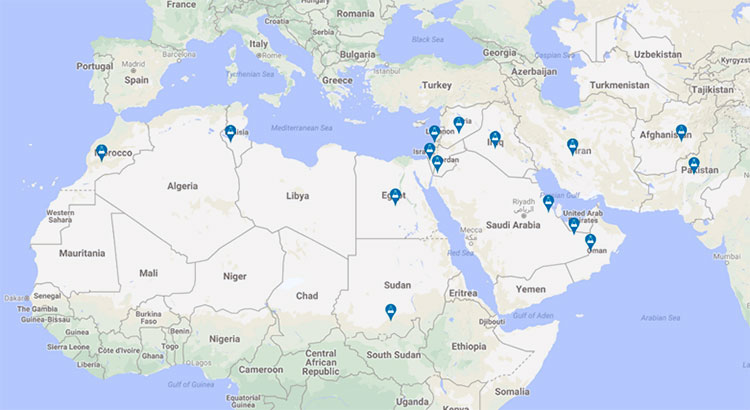
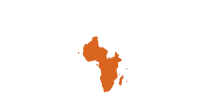
Location of laboratories of the EDPLN Location of laboratories of the EDPLN
Latest updates

EDPLN latest update

Regional Consultative Meeting on Emerging and Dangerous Pathogens Laboratory Network (EDPLN) at WHO Eastern Mediterranean Regional Office in Cairo, Egypt from 22 to 23 August 2017 

Information resources

EDPLN information resources

EDPLN Brochure

Collecting saliva from deceased suspected Ebola patients

Phlebotomy from suspected VHF patients

Shipping suspected VHF blood samples

Additional technical guidance

Related topics

EDPLN related topics

Laboratory technical documents

Pandemic- and epidemic-prone diseases

International Health Regulations

Health emergencies

Latest updates

Regional Consultative Meeting on Emerging and Dangerous Pathogens Laboratory Network (EDPLN) at WHO Eastern Mediterranean Regional Office in Cairo, Egypt from 22 to 23 August 2017 

  • Site map
    • Home
    • Data and statistics
    • Health Topics
    • Media centre
    • Information Resources
    • Countries
    • Programmes
    • About Us
  • Help and services
    • Careers
    • Copyright
    • Privacy
    • Contact us
  • WHO Offices
    • WHO Headquarters
    • WHO African Region
    • WHO Region of the Americas
    • WHO European Region
    • WHO South-East Asia Region
    • WHO Western Pacific Region
WHO EMRO

Privacy policy

© WHO 2026