


Select your language
Normalizing physical distancing: how COVID-19 is changing cultural norms
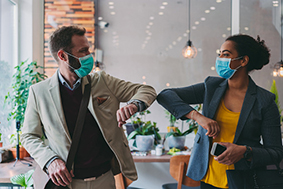
27 July 2020 – Changing our behaviour is key to limiting transmission of COVID-19 and saving lives during the pandemic. WHO recommends a range of measures to protect yourself and others, of which one of the most important is maintaining at least 1 metre (3 feet) distance between yourself and others. COVID-19 is influencing and changing cultural...
Mode of COVID-19 transmission: what we do and do not know
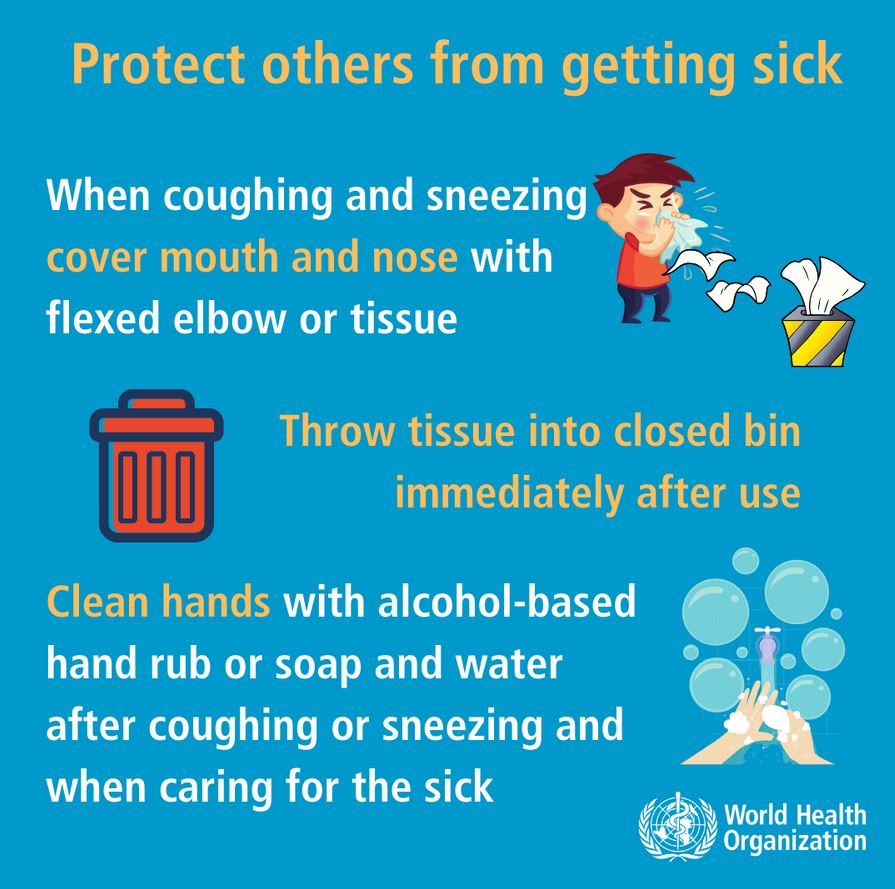
Click to expandUnderstanding the modes of transmission of infective agents, such as viruses and bacteria, is essential in better controlling the outbreaks that these infective agents can cause. Transmission of viruses varies, and could be affected by the quantities of virus the route of transmission allows, the size of the transport media, as well...
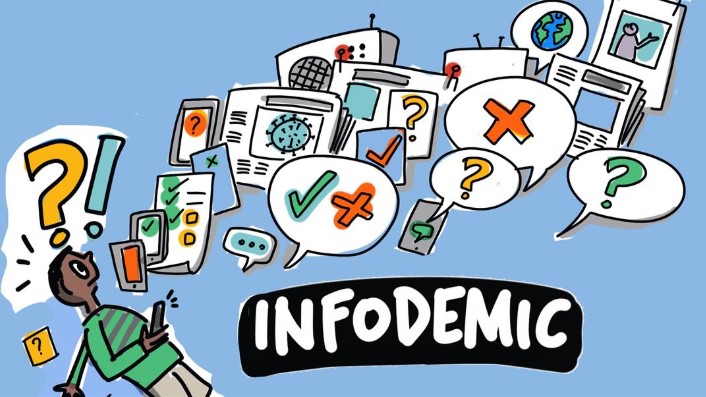
How to fight the COVID-19 infodemic
6 July 2020 – Many of us have not heard the word infodemic before. It refers to the avalanche of information that accompanies an epidemic to the extent that it becomes difficult to distinguish fact from fiction or identify information that is misleading. More than 361 million videos related to COVID-19 have been uploaded to YouTube since the...

Primary health care centres engage in the fight against COVID-19
22 June 2020 – Centres in the national primary health care (PHC) network have initiated screening for COVID-19 following training conducted by the Order of Nurses, in collaboration with the PHC department at the Ministry of Public Health. Staff working in PHC centres started screening for COVID-19 using a triage questionnaire prepared by the Order of...

Engaging communities for contact tracing to reduce the spread of COVID-19
22 June 2020 – COVID-19 spreads from person to person through droplets and contact transmission. Contact tracing is a critical component of comprehensive strategies to control the spread of COVID-19 and involves quick identification of people exposed to confirmed cases and following up with them to ensure rapid testing and quarantine with daily...
First community-based quarantine site hosts migrant workers exposed to COVID-19
4 June 2020 – One of the known public health measures to achieve outbreak containment includes quarantine. Quarantine involves the restriction of movement or separation of individuals who may have been exposed to the virus, from the rest of the population, with the objective of monitoring symptoms and detecting cases early. Many countries have...
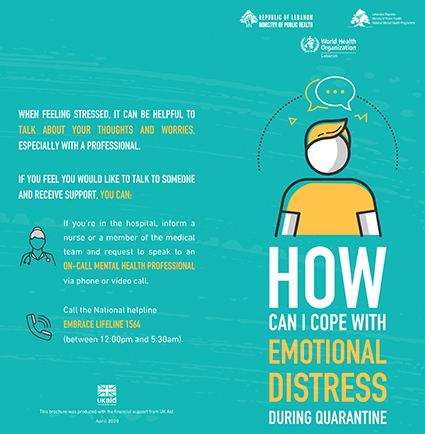
COVID-19 and counselling for people living with HIV
4 June 2020 – Public health emergencies, such as the outbreak of coronavirus disease (COVID-19) are stressful times for people and communities, in particular for people living with HIV with reduced immunity. How COVID-19 affects people living with HIV is not fully known yet. At present, there is no evidence to suggest that there is an increased...
Human rights can and must guide response and recovery to COVID-19
1 June 2020 – Globally, the COVID-19 pandemic is fast becoming an economic and social crisis which threatens human rights and people's security. Observing the crisis and its impact through a human rights lens puts a focus on how it is affecting people on the ground, particularly the most vulnerable among us, and what can be done about it now, and...
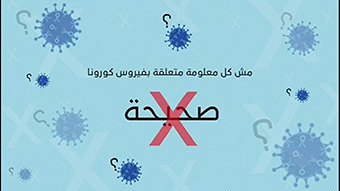
WHO Lebanon and partners fight fake news in the time of COVID-19
27 May 2020 – Just as fast as rumours spread, WHO, UNICEF and the United Nations Development Programme have collaborated with the Ministry of Information to create a platform that collects and posts fake news, misinformation and rumours circulating in the country under the title "Sa7e7 el Ma3loumeh" (check your facts). Several short animated...
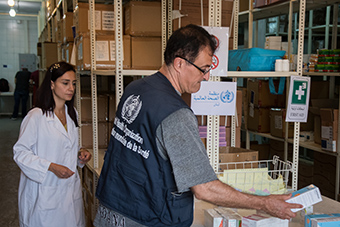
Ensuring continuation of sexual health services amid the COVID-19 response
27 May 2020 – Health systems are being strained worldwide by the rapidly increasing demands generated by the COVID-19 pandemic. An analysis of past crises indicates that mortality from vaccine-preventable and treatable conditions increases dramatically when health systems are overwhelmed by an outbreak. In order to avoid a system collapse, countries are...