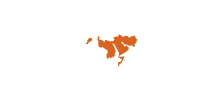
From 26 to 30 November 2012, the Eastern Mediterranean Regional Tobacco Control Leadership Programme was held by the WHO Regional Office for the Eastern Mediterranean in collaboration with the Johns Hopkins School of Public Health and the International Union Against Tuberculosis and Lung Disease. This programme was a five-day training session tailored specifically for the Eastern Mediterranean Region, and aimed to build effective capacity for tobacco control.
This programme is a stepping stone into a new era of tobacco control, where a new cohort was prepared to take the agenda forward by:
- using evidence concerning the health and economic burden of tobacco use
- strengthening skills in monitoring and evaluation, communication and advocacy
- applying evidence-based practices in tobacco control to address country-specific issues and challenges
- strengthening ties and linkages to international colleagues
- enhancing leadership and networking skills to advocate for, enact and implement effective policy change.
Background
People have an inherent right and countries have an obligation; an inherent right to receive information about tobacco use, and an obligation to provide it. To help reduce the growing prevalence of tobacco use in many countries of our Region, we need to share experiences and apply lessons learned.
Tobacco continues to kill nearly 6 million people each year, including more than 600 000 non-smokers who die from exposure to tobacco smoke. Up to half of the world’s 1 billion smokers, most of whom live in low- and middle-income countries, will eventually die of a tobacco-related disease.
Through learning, doing and teaching we have the means to change these circumstances and to help shape a new and better future.
Support to emerging leaders from across the Region is needed to build their capacity in developing, implementing and enforcing tobacco control policy interventions in an effective manner; a manner in line with the legal obligations of the WHO Framework Convention on Tobacco Control (FCTC) and the commitments of the United Nations Political Declaration on the Prevention and Control of Noncommunicable Diseases.
The WHO FCTC is one of the most rapidly embraced treaties in United Nations history. The speed with which it was adopted by countries points to two underlying messages: first, that there is political will to strengthen tobacco control; and second, perhaps more importantly, that governments are committed to protecting their people.
Over the years, a base of technical tools and high impact interventions to reduce the demand for and supply of tobacco has been built. These tools and interventions have been proven to reduce tobacco-related morbidity and mortality in countries, when implemented.
Through this tobacco leadership programme, each and every person will be equipped with the means to engage actively in tobacco control and in saving lives. No individual can fight this deadly and debilitating epidemic alone. Our success depends on one another and on our ability to move, and to convince others to work, and continue working with us.
From 26 to 30 November 2012, the Eastern Mediterranean Regional Tobacco Control Leadership Programme was held by the WHO Regional Office for the Eastern Mediterranean in collaboration with the Johns Hopkins School of Public Health and the International Union Against Tuberculosis and Lung Disease. This programme was a five-day training session tailored specifically for the Eastern Mediterranean Region, and aimed to build effective capacity for tobacco control.
This programme is a stepping stone into a new era of tobacco control, where a new cohort was prepared to take the agenda forward by:
- using evidence concerning the health and economic burden of tobacco use
- strengthening skills in monitoring and evaluation, communication and advocacy
- applying evidence-based practices in tobacco control to address country-specific issues and challenges
- strengthening ties and linkages to international colleagues
- enhancing leadership and networking skills to advocate for, enact and implement effective policy change.
Background
People have an inherent right and countries have an obligation; an inherent right to receive information about tobacco use, and an obligation to provide it. To help reduce the growing prevalence of tobacco use in many countries of our Region, we need to share experiences and apply lessons learned.
Tobacco continues to kill nearly 6 million people each year, including more than 600 000 non-smokers who die from exposure to tobacco smoke. Up to half of the world’s 1 billion smokers, most of whom live in low- and middle-income countries, will eventually die of a tobacco-related disease.
Through learning, doing and teaching we have the means to change these circumstances and to help shape a new and better future.
Support to emerging leaders from across the Region is needed to build their capacity in developing, implementing and enforcing tobacco control policy interventions in an effective manner; a manner in line with the legal obligations of the WHO Framework Convention on Tobacco Control (FCTC) and the commitments of the United Nations Political Declaration on the Prevention and Control of Noncommunicable Diseases.
The WHO FCTC is one of the most rapidly embraced treaties in United Nations history. The speed with which it was adopted by countries points to two underlying messages: first, that there is political will to strengthen tobacco control; and second, perhaps more importantly, that governments are committed to protecting their people.
Over the years, a base of technical tools and high impact interventions to reduce the demand for and supply of tobacco has been built. These tools and interventions have been proven to reduce tobacco-related morbidity and mortality in countries, when implemented.
Through this tobacco leadership programme, each and every person will be equipped with the means to engage actively in tobacco control and in saving lives. No individual can fight this deadly and debilitating epidemic alone. Our success depends on one another and on our ability to move, and to convince others to work, and continue working with us.