


Select your language
Refugees in crisis
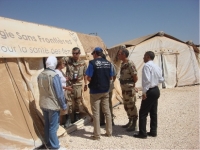 Those in Al Zaatari Camp suffer both chronic and acute conditions such as diabetes, high blood pressure, upper respiratory infections, diarrohea and fractures
According to the United Nations Office of the High Commissioner for Refugees (UNHCR) over 100 000 Syrian refugees have fled to Jordan, 27 000 of whom have settled in Al Zaatari Camp, in the north of the country. Though the crisis has not abated, resources in the refugee camp are already being stretched to the limit. This has meant that emergency medical aid has become a top priority for both the Jordanian Government and international organizations committed to assisting the Syrian refugees.
Since the beginning of the internal conflict inside the Syrian Arab Republic, WHO, in partnership with other health care organizations, has worked tirelessly to relieve the suffering that many refugees in Al Zaatari face. The conflict has left those affected in a desperate need for both physical and psychological support. Those in Al Zaatari Camp suffer both chronic and acute conditions such as: diabetes, high blood pressure, upper respiratory infections, diarrohea and fractures. They also have needs for promotive and preventive health services, reproductive health and mental health needs. All of these issues have to be addressed with efficiency.
Along with the French, Moroccan and Italian/Jordanian field hospitals in the camp, WHO has worked with the Jordanian Ministry of Health, sister agencies (UNHCR, United Nations Population Fund, World Food Programme and UNICEF), international nongovernmental organizations (International Medical Corps, Save the Children and Handicap International) and many other local nongovernmental organizations. Together, these organizations have developed and launched a refugee response plan, which prioritizes the health needs of the target population and estimates the financial requirements for the response.
So far, 6100 children have been immunized against measles and polio; routine immunization is an ongoing process. The camp clinics and hospitals continue to provide hundreds of health services every day. The introduction of a portable x-ray machine reduced the need for travel to other hospitals, saving vital time.
As more and more people seek refuge at Al Zaatari, complications and unique cases have become increasingly apparent. A wide range of medical specialists therefore have been assigned to the camp. These include gynaecologists, cardiologists, dermatologists, psychologists, laboratory technicians, pharmacists, and others. Accident and emergency units, trauma units, mental health consultation rooms and operating theatrs have all been set up in the camp.
The excellent work carried out by all health partners means that many lives are being saved. But as the numbers people in need of medical attention increases on a daily basis, the stress on the resources and workforce becomes untenable.
The crisis that has been created by the Syrian conflict has left many thousands dead, homeless and sick. As more and more people flee the violence in Syrian Arab Republic to the safety of the camps in Jordan the vulnerability of the refugees in Al Zaatari increases, this in turn means that the work carried out by WHO and its partners becomes ever more necessary.