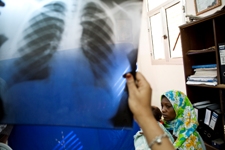
 PAL improves the quality of respiratory diseases case management.Respiratory symptoms account for between 20% and 35% of all outpatient consultations and cough, a very common respiratory symptom, is often associated with TB. Therefore, distinguishing between TB and other respiratory diseases and conditions can be challenging for clinicians and health care managers.
The Practical Approach to Lung Health (PAL) is a syndromic approach to the management of patients who attend primary health care services for respiratory symptoms. It is a multi-step process built on the development and implementation of guidelines for clinical respiratory diseases practice with clearly defined coordination between different levels of the health system.
PAL targets doctors, nurses and managers in primary health-care settings. It not only improves the quality of respiratory disease case management for the individual, but also enhances the efficiency and cost-effectiveness of respiratory care within the health system.
PAL can contribute to improving TB case detection, the quality of TB and primary health care services, the health management information system and the referral system for respiratory conditions including TB. Furthermore, it can reduce the number of unnecessary drug prescriptions and enhance skills of health care workers.
The role of the regional programme is to:
provide support to Member States on the overall multi-step PAL process;
provide technical support to Member States on specific steps, e.g. country adaptation of PAL material and processes, including PAL guideline development, PAL training and PAL indicator development;
provide support to Member States to enhance monitoring and evaluation capacity for respiratory diseases, including TB, and their recording and reporting.
PAL improves the quality of respiratory diseases case management.Respiratory symptoms account for between 20% and 35% of all outpatient consultations and cough, a very common respiratory symptom, is often associated with TB. Therefore, distinguishing between TB and other respiratory diseases and conditions can be challenging for clinicians and health care managers.
The Practical Approach to Lung Health (PAL) is a syndromic approach to the management of patients who attend primary health care services for respiratory symptoms. It is a multi-step process built on the development and implementation of guidelines for clinical respiratory diseases practice with clearly defined coordination between different levels of the health system.
PAL targets doctors, nurses and managers in primary health-care settings. It not only improves the quality of respiratory disease case management for the individual, but also enhances the efficiency and cost-effectiveness of respiratory care within the health system.
PAL can contribute to improving TB case detection, the quality of TB and primary health care services, the health management information system and the referral system for respiratory conditions including TB. Furthermore, it can reduce the number of unnecessary drug prescriptions and enhance skills of health care workers.
The role of the regional programme is to:
provide support to Member States on the overall multi-step PAL process;
provide technical support to Member States on specific steps, e.g. country adaptation of PAL material and processes, including PAL guideline development, PAL training and PAL indicator development;
provide support to Member States to enhance monitoring and evaluation capacity for respiratory diseases, including TB, and their recording and reporting.